Soil analysis of dental instruments from structure to health care.
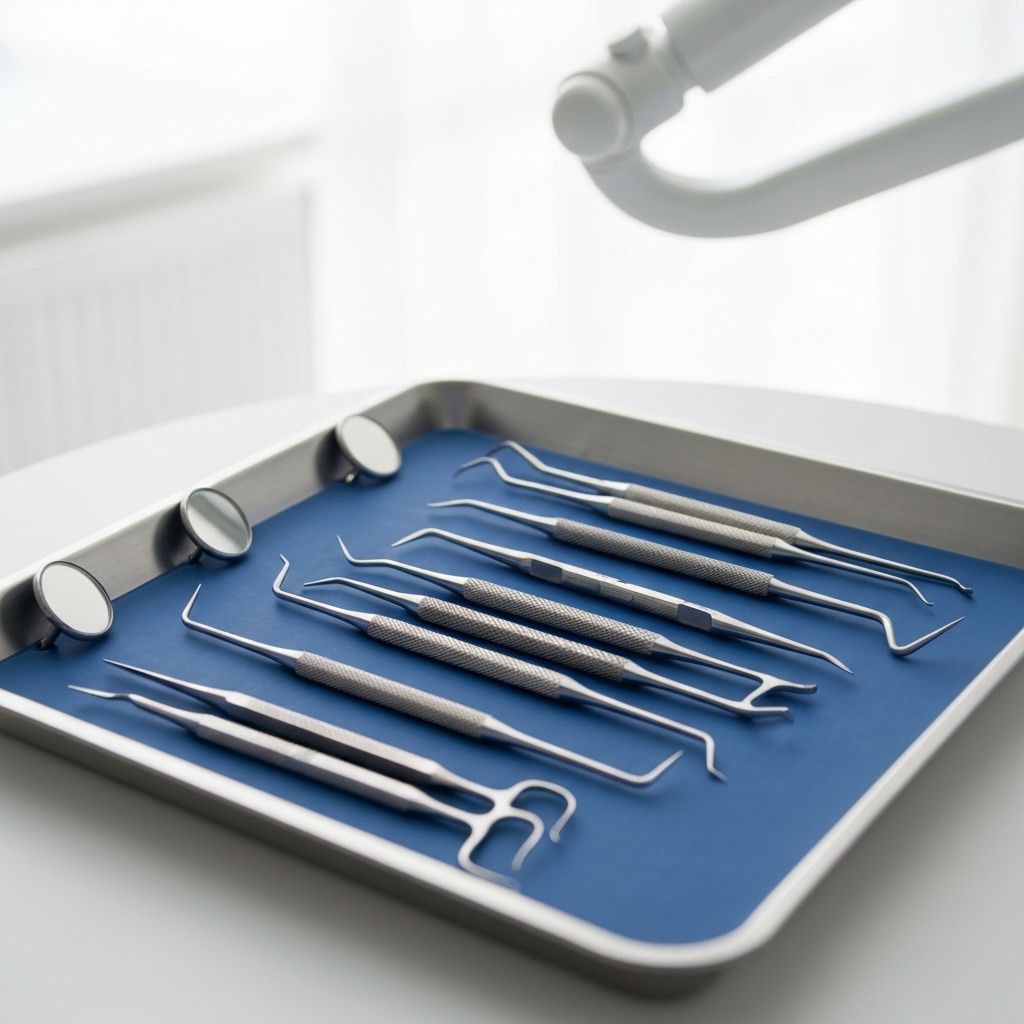
Soil analysis might seem an unusual topic when discussing dental instruments, but the analogy is powerful when considering the microbial environment and the meticulous cleaning processes required in dentistry. Just as soil analysis examines the composition and health of the ground, a metaphorical "soil analysis" of dental instruments involves a deep look at their structural integrity, the residual biological load after use, and the efficacy of sterilization—all of which are crucial for patient health care.
1. Structural Integrity: The "Mineral Composition"
The foundational "soil" of a dental instrument is its material and design. Instruments are typically made from high-grade stainless steel or titanium, chosen for their durability, resistance to corrosion, and ability to withstand repeated sterilization cycles.
- Surface Texture: The smoothness and finish are paramount. Microscopic scratches or pits can act as "humus," creating niches where biofilms—complex microbial communities encased in a self-produced matrix—can form and cling, resisting conventional cleaning.
- Joints and Hinges: Complex instruments with moving parts, like forceps or handpieces, have intricate "geological formations." These areas are hard to reach, making them highly susceptible to retaining debris and microorganisms, requiring specialized cleaning protocols.
- Corrosion Resistance: Repeated exposure to biological fluids, detergents, and high-heat steam sterilization can lead to "erosion" or pitting. Corroded instruments are not only structurally weakened but also harbor pathogens more easily, compromising sterility.
2. Contamination Assessment: The "Microbial Load"
After a dental procedure, the instruments are heavily contaminated with saliva, blood, tissue, and oral microbes. This is the "virgin soil sample" requiring analysis and remediation.
- Biofilm Formation: The most significant challenge is the biofilm. A primary goal of instrument cleaning is the complete removal of this protective layer before sterilization. If the biofilm is not mechanically and chemically disrupted, it can shield microbes from the sterilizing agent.
- Protein and Debris Residue: Leftover organic material, particularly proteins, can become "fixed" to the instrument surface during sterilization, forming a barrier (a "hardpan layer") that protects viable microorganisms underneath, leading to a sterile-appearing but contaminated instrument.
- Monitoring Cleanliness: Techniques analogous to "soil testing," such as ATP (Adenosine Triphosphate) bioluminescence assays or protein residue tests, are used in hospitals to measure the total organic load remaining on a cleaned instrument. A high reading indicates a failure in the cleaning process.
3. Sterilization Efficacy: The "Fertility Report"
The ultimate goal is to achieve sterility, a state where all forms of microbial life are destroyed, including spores. This is the "healthy soil" necessary for safe clinical practice.
- Autoclave Validation: Steam sterilization in an autoclave is the gold standard. Its effectiveness is constantly monitored using:
- Biological Indicators (BIs): The "definitive soil analysis" involves placing highly resistant bacterial spores (e.g., Geobacillus stearothermophilus) in the sterilizer. If the spores are killed, the sterilization process is deemed successful.
- Chemical Indicators (CIs): These tapes or strips change color when exposed to specific temperature/time/steam parameters, providing an immediate, visual "on-site check" that the critical conditions were met.
4. Impact on Health Care: Cultivating "Safe Soil"
The meticulous attention paid to the "soil analysis" of dental instruments is a direct and critical determinant of patient safety and the quality of health care.
- Infection Control: A breach in cleaning or sterilization protocol—the "unhealthy soil"—risks cross-contamination, potentially transmitting pathogens from one patient to another, including viruses (Hepatitis B, HIV) and bacteria.
- Longevity and Cost: Proper care extends the lifespan of expensive instruments. Allowing organic material to remain can hasten corrosion and damage, leading to higher replacement costs—the "cost of soil depletion."
- Regulatory Compliance: Health care facilities must adhere to strict national and international guidelines (e.g., CDC, ISO) for sterilization. Compliance is mandatory to maintain licensure and protect the public.
In essence, the rigorous protocols for cleaning, disinfecting, and sterilizing dental instruments represent a form of highly specialized "environmental control." By analytically treating the surface of an instrument as a microbial environment—a "soil"—dental professionals ensure that the tools they use are not vectors for disease but are instead pristine, safe implements, thus upholding the highest standards of oral health care.